Commercial Gas Line Installation Done to Code
Safe, Compliant Gas Piping for Your Facility
Gas line installation requires precision, planning, and strict adherence to local codes. We install commercial gas piping across South Florida and the Treasure Coast with a clear process that keeps your project compliant and your operations protected.
Code-Compliant Gas Line Installation for Commercial Systems
Built for Safety, Performance, and Inspection Approval
Installing gas lines in a commercial property involves more than just connecting pipes—it requires careful planning, permitting, and compliance with local and state regulations. Improper installation can create serious safety risks and lead to failed inspections or costly corrections. Coastal Commercial Services follows all applicable codes for gas piping installation, ensuring systems are safe and ready for approval. We work with commercial kitchens, boilers, and facility equipment that rely on consistent gas supply. From planning to final inspection, every step is handled with attention to safety and long-term performance.
What’s Included in a Commercial Gas Line Project
From Planning to Final Inspection
Gas line projects require coordination and a clear process to ensure everything is completed safely and correctly.
- Plan gas line routing to minimize disruption to your building and daily operations
- Install piping systems designed for your equipment and usage demands
- Ensure all work meets local codes and commercial safety requirements
- Coordinate inspections and approvals where required
- Test system performance before final sign-off
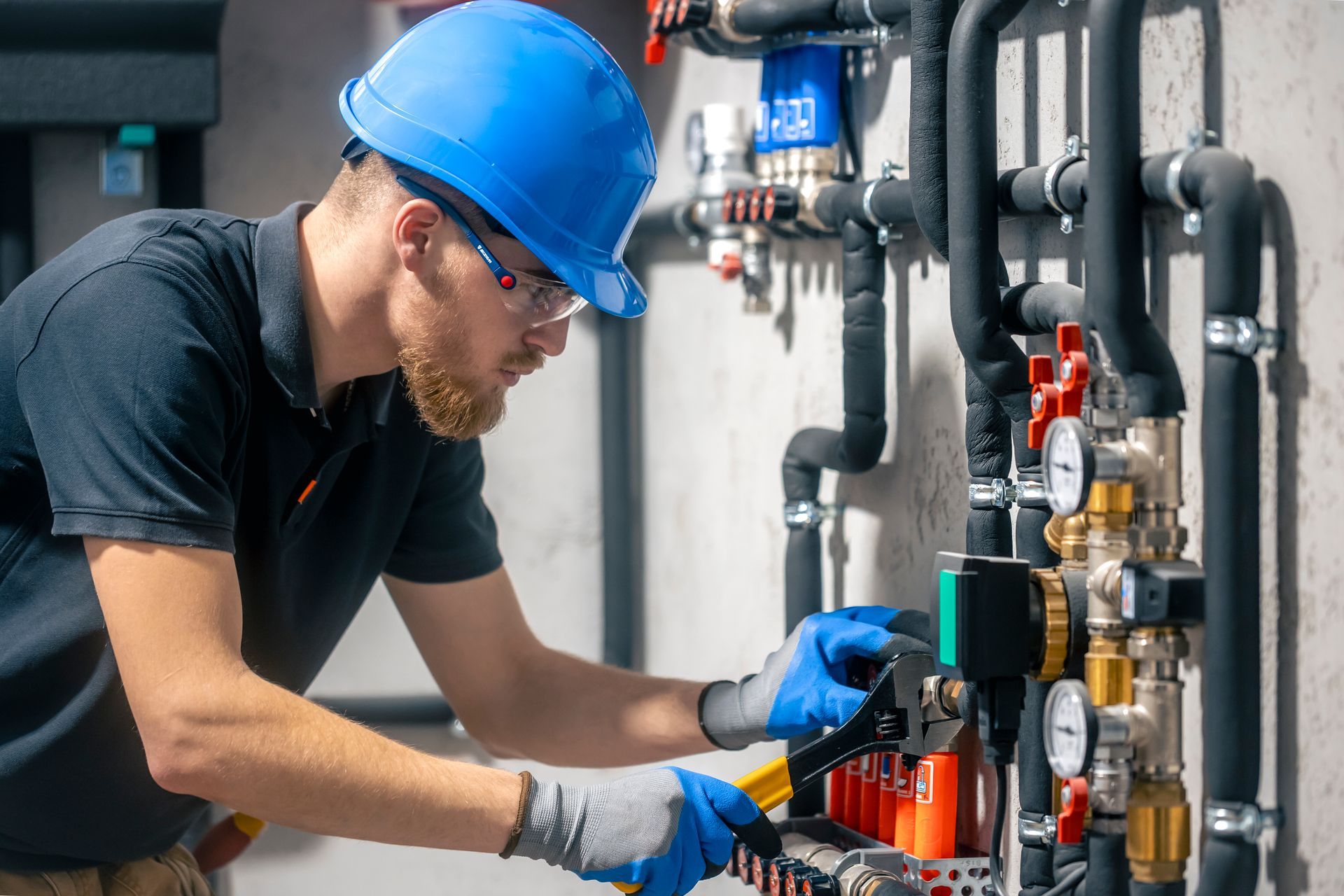
We work on commercial kitchens, boilers, rooftop and mechanical equipment, and generator supply, and we coordinate permitting and inspection with the local authority rather than handing that back to you.
Related services
Gas Line Installation Questions Answered
What Business Owners Need to Know Before Getting Started
Do I need permits for a gas line installation?
Yes, most commercial gas line installations require permits and inspections to ensure compliance with local codes. These requirements vary by location but are critical for safety and legal operation. We help guide the process and ensure all work is completed to meet these standards. This helps avoid delays or issues during inspections.
Can you install gas lines for commercial kitchens or equipment?
Yes, we install gas piping for a wide range of commercial applications, including restaurant kitchens, boilers, and facility equipment. Each system is designed to meet the specific needs of your operation. Proper sizing and routing ensure consistent performance. This allows your equipment to operate safely and efficiently.
How do you ensure the installation is safe?
Safety is a priority throughout the entire installation process. We follow all applicable codes and use proper materials and techniques designed for commercial gas systems. Pressure testing is performed to confirm system integrity before use. This ensures your gas line operates safely from day one.
Will installation disrupt my business operations?
We plan installations carefully to minimize disruption to your facility. In many cases, work can be scheduled during off-hours or slower periods. Our goal is to complete the project efficiently while keeping your business running. Clear communication helps ensure everything stays on track.
What happens after installation is complete?
After installation, the system is tested and prepared for inspection if required. Once approved, your gas line is ready for use with confidence. We also provide guidance on maintenance and safe operation. This helps ensure long-term reliability and performance.
Gas Line Installation Process and Key Considerations
What Goes Into a Safe and Reliable System
A properly installed gas line depends on planning, compliance, and careful execution at every stage. Coastal Commercial Services ensures each step is handled correctly so your system is safe, efficient, and ready for inspection.
| Stage | What Happens | Why It Matters |
|---|---|---|
| Planning & Design | Determine routing and system requirements | Minimizes disruption and ensures proper capacity |
| Permitting | Submit required permits and documentation | Ensures compliance with local regulations |
| Installation | Install piping and connections | Builds a safe and functional system |
| Testing | Pressure test and inspect system | Confirms safety and performance |
| Final Approval | Complete inspection and sign-off | Allows system to be used legally and safely |